


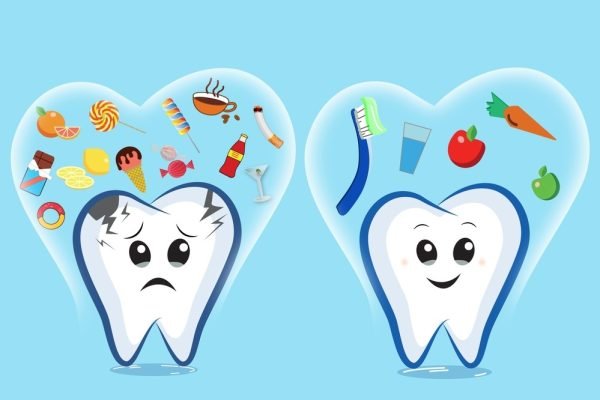
How Your Food Choices Impact Your Dental Health
- Sugar: The Silent Tooth Destroyer – Refined sugars and carbohydrates are primary culprits in tooth decay as they feed harmful oral bacteria. These bacteria produce acids that gradually erode tooth enamel, leading to cavities and potential infections. Even “natural” sugars in juices and dried fruits can contribute to this damaging process if consumed frequently throughout the day without proper oral hygiene.
- Acidic Foods and Beverages – Frequently consuming acidic foods and drinks such as citrus fruits, tomatoes, sports drinks, and carbonated beverages can directly weaken tooth enamel through a process called demineralization. This erosion makes teeth more vulnerable to sensitivity, discoloration, and decay. The effects are particularly harmful when these items are sipped or consumed slowly over extended periods.
- Calcium-Rich Foods: Your Teeth’s Best Friends – Dairy products like milk, cheese, and yogurt, along with leafy greens and fortified plant-based alternatives, provide essential calcium that strengthens tooth enamel and supports jawbone health. Regular consumption of these foods helps maintain dental structural integrity and can even aid in remineralizing early stages of decay, creating a protective barrier against harmful acids.
- Fibrous Foods as Natural Cleaners – Crunchy fruits and vegetables such as apples, carrots, and celery act as natural toothbrushes, mechanically removing plaque and food particles from tooth surfaces. Their fibrous texture also stimulates saliva production, which contains minerals that neutralize acids and repair early tooth damage while washing away harmful bacteria and food debris.
- Hydration Matters – Water remains the optimal beverage for oral health, helping to rinse away food particles and bacteria while maintaining proper saliva flow. Unlike sugary or acidic drinks, water doesn’t contribute to tooth decay and can even strengthen teeth when fluoridated. Staying well-hydrated also prevents dry mouth, a condition that significantly increases cavity risk by reducing protective saliva.
- Vitamins and Minerals for Gum Health – Nutrients like vitamin C (found in bell peppers and strawberries), vitamin D (in fatty fish and fortified foods), and coenzyme Q10 (in organ meats and whole grains) are crucial for maintaining healthy gum tissue, preventing inflammation, and supporting the body’s immune response to harmful bacteria. Deficiencies in these nutrients have been linked to increased risk of periodontal disease and compromised healing after dental procedures.
- Mindful Eating Patterns – Beyond food choices, eating habits significantly impact oral health. Frequent snacking creates an environment where teeth are continuously exposed to acids and sugars without recovery time. Establishing regular mealtimes with appropriate intervals allows for natural remineralization processes to occur, while avoiding late-night eating prevents food particles from remaining on teeth during sleep when saliva flow naturally decreases.
Conclusion:
Making mindful dietary choices is one of the most effective ways to maintain excellent oral health. By limiting sugary and acidic foods while embracing nutrient-rich alternatives, you can significantly reduce your risk of dental problems. At Radhaswami Dental Clinic, we’re committed to helping you achieve optimal oral health through comprehensive care and education.
1 comment
Ahaa, its good discussion concerning this article at this place at this webpage,
I have read all that, so now me also commenting here.